A Map Before the Journey: How Lynci Explains a Game's Architecture
Porting starts with a simple question - how is this project actually built? Lynci answers it with a high-level view of the game's architecture before a single line of code changes.
 Sylwester PilarzHead of Design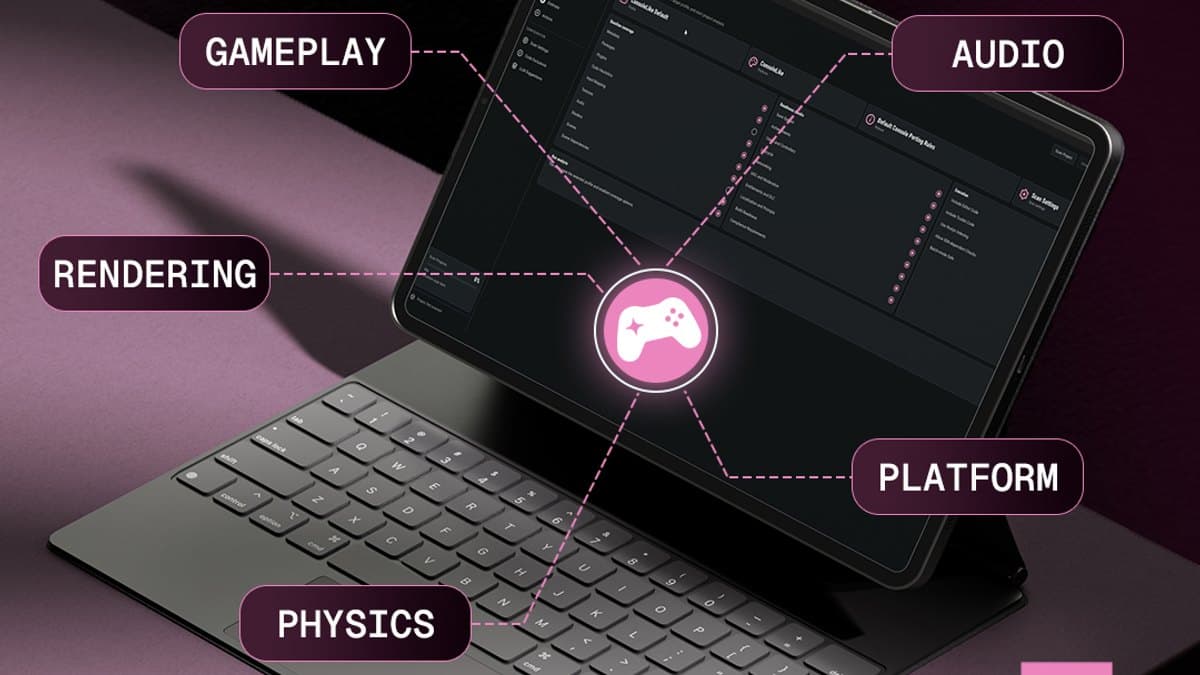
Porting a game often starts with a deceptively simple question:
"How is this project actually built?"
And sometimes, nobody really knows.
Big projects hide their own structure
Large game projects can contain years of development, thousands of files, multiple systems, plugins, dependencies, and layers of technical debt.
The people who wrote the early systems may have moved on. Documentation, if it exists, has usually drifted from the code. What is left is a working game and a codebase that only reveals its shape to whoever is willing to read through it, file by file.
Before changing anything, you need to understand the architecture. Which systems are load-bearing, what depends on what, and where a platform change is going to ripple outward. Skipping that step is how porting estimates go wrong and how schedules slip.
In practice, "understand the architecture" means answering questions like: how is rendering set up, and does it assume a specific graphics API? Where does input come in, and how tightly is it coupled to the current platform? Is there a save system, an online layer, a storefront integration - and how deeply are they wired into the rest of the game? On a large project, getting to confident answers can take an experienced engineer days or weeks of reading before any real porting work starts.
This is also where a lot of source code migration risk hides. A codebase can look straightforward from the outside - a recognizable engine, a familiar folder structure - and still have a save system quietly wired into a storefront SDK, or a rendering path that assumes a graphics API the target platform doesn't support. None of that shows up in a file listing. It only shows up once someone maps how the systems actually connect.
This is where Lynci comes in
Instead of forcing developers to manually dig through the entire project, Lynci can provide a high-level explanation of the game's architecture.
It identifies the major systems, their relationships, their dependencies, and the areas that are likely to become relevant during the porting process - rendering, input, audio, save data, platform services, and the seams between them.
Rather than a raw file listing, the output is a readable summary of how the game is put together: what the main systems are, how they connect, and which parts are most entangled with the current platform. It is the kind of overview a senior engineer would eventually assemble in their head - available on day one instead of week three.
Think of it as getting a map before starting the journey. You still have to make the trip, but you are no longer guessing which direction to walk.
From "I have to port this" to "I know where to look"
The shift is in what you are starting from.
You can go from:
"I have a huge project and need to port it."
to:
"I understand how this project is structured, what talks to what, and where I should look first."
That context makes a real difference when planning a port to another platform. Scoping conversations get concrete. Risk shows up early, while there is still time to plan around it. The first weeks of a project go into solving problems instead of just locating them.
Porting starts with understanding the codebase
Successful porting isn't just about changing code.
It starts with understanding the codebase - the structure, the dependencies, and the parts that will resist moving to a new platform. Everything else follows from that picture.
That's one of the things we're building Lynci to do better - it's also the same idea behind the project scan that follows once the architecture is mapped. If you want to see what a high-level view of your own project could look like, get in touch.
Frequently Asked Questions
What does Lynci's architecture mapping actually produce?
A readable summary of a game's major systems - rendering, input, audio, save data, platform services - and how they depend on each other, instead of a raw file listing.
How long does mapping a game's architecture normally take?
Manually, it can take an experienced engineer days or weeks on a large project. Lynci provides the initial picture on day one, before any porting work starts.
Does this replace an engineer reviewing the codebase?
No. It replaces the slow, manual first pass of orienting inside an unfamiliar project, so the engineer's time goes into solving problems instead of locating them.