Indie and solo developers
You need a console release without taking your focus away from the game. Lynci gives you a clear scope, fixed price, and a technical path to the target platform.

AI-native porting framework
Forget about runaway porting budgets. Lynci makes repeatable technical work up to 10x faster, with a fixed price, fixed delivery time, and code your team fully owns.
Trusted by studios and publishers







A typical port takes several months to over a year and ties up a full-time engineering team for its entire duration.
High porting costs often exclude smaller studios from releasing their game on additional platforms at all.
Asset resizing, format conversion, and other repetitive tasks take time away from the engineering decisions that move a port forward.
Experienced engineers spend their time on routine, mechanical conversions instead of polishing the game’s quality.

Our experienced porting team uses internal AI tools for repetitive technical work: code analysis, platform refactoring, API and dependency conversion, asset optimization, and regression-test support. Engineers review each result before it enters the build.
Cuts the time it takes to deliver a port.
Significantly lower engineering-hour costs per project.
Asset resizing, conversion, and other repetitive tasks get a fast first pass.
Lynci runs in our controlled local environment. Your source code and project data never leave it or reach external AI services. A porting engineer reviews each AI-assisted change, and our QA team tests the final build.
Built for the teams behind the game
You need a console release without taking your focus away from the game. Lynci gives you a clear scope, fixed price, and a technical path to the target platform.
Your team has a roadmap to protect. We handle the repeatable porting work, so your developers can keep building the game and the features players are waiting for.
You need reliable cost, timing, and quality across a portfolio. Lynci makes the technical work faster while experienced engineers and QA remain accountable for each release.
Lynci is our internal framework, built from the knowledge we gained across more than 100 projects. We know which parts of a port repeat from one game and platform to the next. Lynci helps our engineers complete those technical tasks faster with AI.
We use AI only where it removes technical repetition, such as code analysis, refactoring, dependency work, and platform checks. It does not write creative content or make creative decisions. An experienced porting developer reviews the work, makes the technical calls, and approves every change before release. We do not label our ports as AI-made. They remain human work, with AI used only to speed up specific technical tasks.
Where Lynci saves time
Lynci helps with repeatable technical work. It never creates your game’s content or makes creative decisions.
AI assists with
Code analysis, platform conversion, performance checks, and the first technical pass on a task.
People own
Gameplay, art, writing, narrative, and the final technical call stay with experienced people.
Examples of AI-assisted technical work
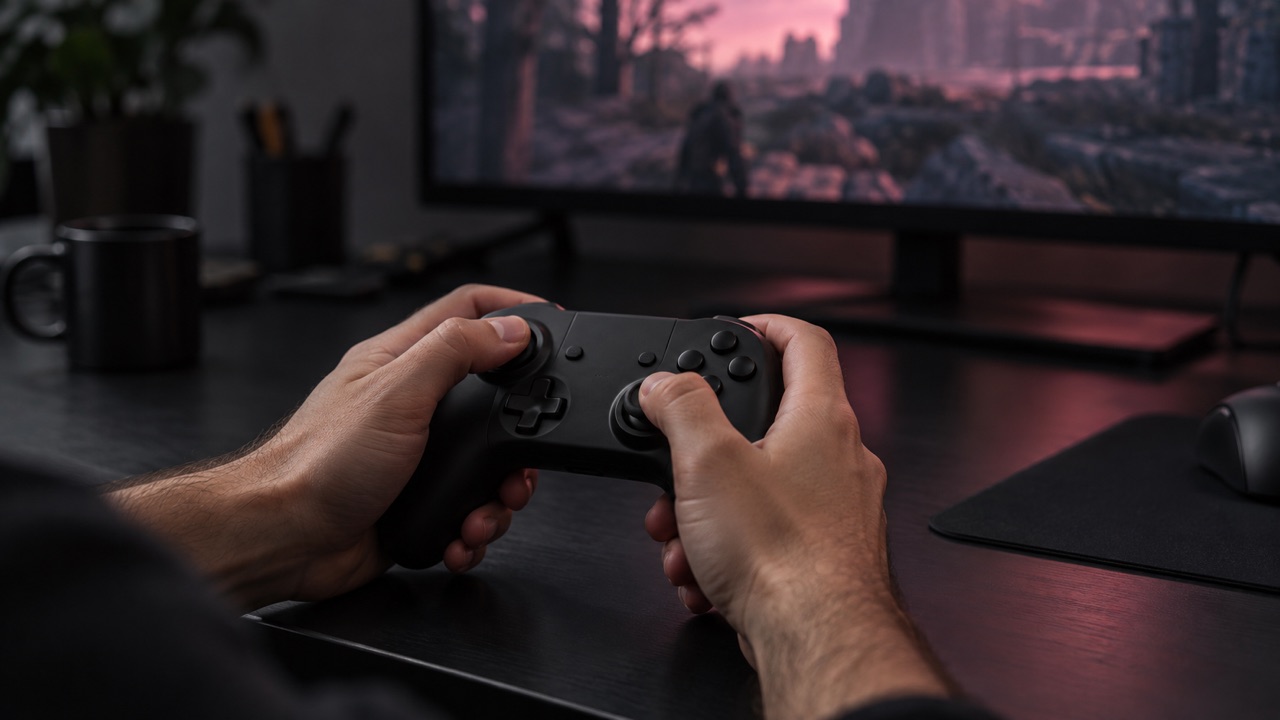
Map keyboard input to a controller layout.
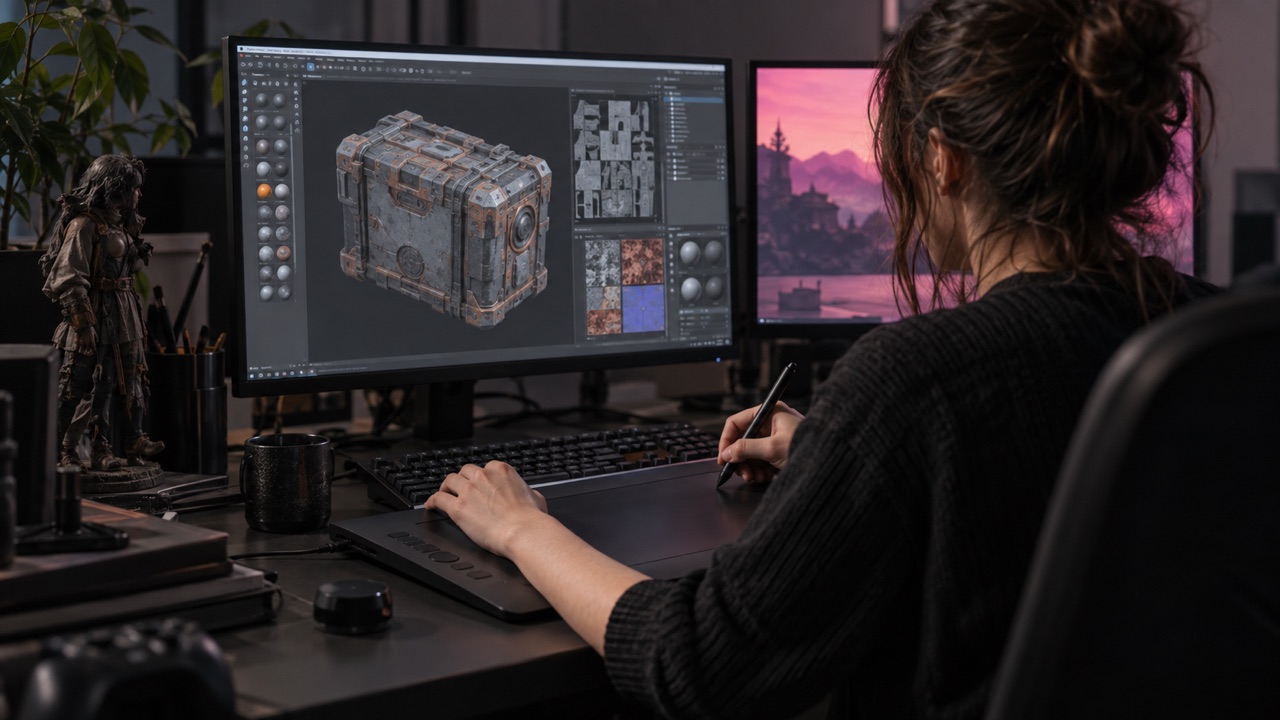
Find oversized or unoptimized textures across the project.

Prepare the first implementation of a save system.
An experienced porting developer reviews the result, makes the technical decisions, and approves every change. Our in-house QA team then tests the final build before release.
How Lynci is different
Speed only matters when your team keeps full control after handover.
With Lynci
Readable code your team can own, change, and maintain after handover.
Dependencies chosen for the project, with full access and documentation.
AI used only for repeatable technical work. Content and creative decisions stay with people.
An experienced developer approves every change. Our in-house QA team tests the final build.
Forget about
Code that nobody can edit or maintain after delivery.
Libraries added without access, context, or a way out.
AI generating game content or making creative decisions.
Changes pushed into the build without human review.
After handover
Source code, access, documentation, and a port your team can keep building on.How the delivery model changes
Fixed pricing
Tier 1 / Indie
€35K
For indie games with a feature-complete PC build and standard platform work.
Tier 2 / Premium Indie
€45K
For premium indie games that need deeper technical adaptation, optimisation, or platform work.
Tier 3 / AA
€60K
For AA games with larger performance, platform, or online requirements.
Tier 4 / Portfolio
Portfolio
For studios and publishers with more than three games. A dedicated offer built for a larger slate.
Tier 5 / AA+ & AAA
Custom
For AA+ and AAA games, remakes, remasters, mobile ports, and projects with custom technical requirements.
Available platforms
 PlayStation 5
 Xbox Series X|S
 Nintendo Switch 1Nintendo Switch 2WinGDK
Get a tailored estimate

Pricing matrix
| How to recognise it | Tier 1Indie · €35K | Tier 2Premium Indie · €45K | Tier 3AA · €60K | CustomAA+ / AAA · Tailored |
|---|---|---|---|---|
| Typical game | A feature-complete indie game with a stable PC build and standard platform work. | A premium indie game that needs more adaptation, optimisation, or a broader release. | An AA game with more systems, a larger technical footprint, or tougher platform requirements. | AA+ or AAA, remakes, remasters, mobile ports, custom engines, or an exceptional scope. |
| Engine and build | Current Unity or Unreal version. The build is stable and no upgrade is expected. | A version update, small build repair, or limited dependency work may be needed. | A major engine upgrade, pipeline migration, wider build repair, or several dependencies need work. | A custom or unsupported engine, no reliable build, or a major technical intervention. |
| Platform work | Controller, UI, and performance are already close to the target platforms. | Limited controller, UI, or performance adaptation is expected. | Broad controller or UI work, or substantial optimisation is needed across platforms. | Core mechanics, UI framework, or performance systems need redesign. |
| Online, saves, and services | No multiplayer or backend work. Standard local or cloud saves are enough. | Existing multiplayer, profiles, slots, or standard service integrations. | Cross-play, accounts, platform backend work, save migration, or complex services. | New multiplayer, backend, save, or platform-service architecture. |
| Project scale | Up to 250K lines of project-owned code with a contained scope. | Up to 750K lines of code or a larger technical footprint. | Up to 1.5M lines of code, a larger game, or several major systems. | Over 1.5M lines, legacy projects, or a custom delivery model. |
Pricing check
Share the basics of your project and we will match it to the right Lynci pricing option. Complete the form and get a tailored estimate within one business hour.

Krystian Mlodziejewski
Business & Relations Director
How we work
We discuss the game, target platforms, current build, and the risks that could affect scope. You receive a preliminary estimate before a technical review.
We check the repository, build pipeline, controller readiness, and performance. This is where we confirm the tier, scope, delivery time, and fixed price.
You meet the team, receive a shared project space, and have a producer and lead developer for day-to-day questions.
We build the port with weekly updates, technical reviews, and performance gates. Lynci speeds up repeatable technical work while developers make the decisions.
Our in-house team handles FQA, LQA, and CQA, then coordinates certification and any standard resubmissions.
We support release, patches, and the standard post-release period defined in the agreed scope.
Shipped porting work
References
Lynci made porting far more cost-effective and easier to manage, letting us bring the release to more platforms. The game also passed certification on the first attempt - proof of how reliable the framework is.

FAQ
We review the project against the qualification criteria. The highest applicable technical factor sets the tier. If the project sits outside Factory scope, we prepare a custom estimate.
Yes. The agreed Factory scope includes engineering, platform integration, QA, certification, standard resubmissions, and standard post-release support.
Standard Factory pricing includes PlayStation 5, Xbox Series X|S, WinGDK, Nintendo Switch 1, and Nintendo Switch 2. Mobile and any other platform requirements are handled through a custom estimate.
Yes. A frozen PC baseline makes a fixed price easier to set. If planned PC changes continue during porting, we include that work in the classification.
No. Lynci is used for repeatable technical work. Gameplay, art, writing, narrative, and all final technical decisions remain with experienced people.
New platforms, DLC, game modes, features, content, engine changes, major backend changes, or substantial PC changes after the baseline is agreed are quoted separately.
We scope DLC separately based on the content, technical work, platform requirements, and testing it needs. Once the scope is clear, it receives its own fixed price.
We review the existing port and the PC baseline, then quote the remaining platforms and any work needed to bring shared systems up to the required standard.
Yes, but those projects sit outside standard Factory pricing and receive a custom assessment.
Contact Krystian directly if you need help understanding the process, scope, or pricing before you request an estimate.
Krystian Mlodziejewski
Business & Relations Director
Trusted by studios and publishers