Porting The Cub to Xbox: A Success Story
One game, two generations of Xbox hardware, one goal: make The Cub feel like it was built for Xbox from day one. Here's what the port involved.
 Sylwester PilarzMarketing Specialist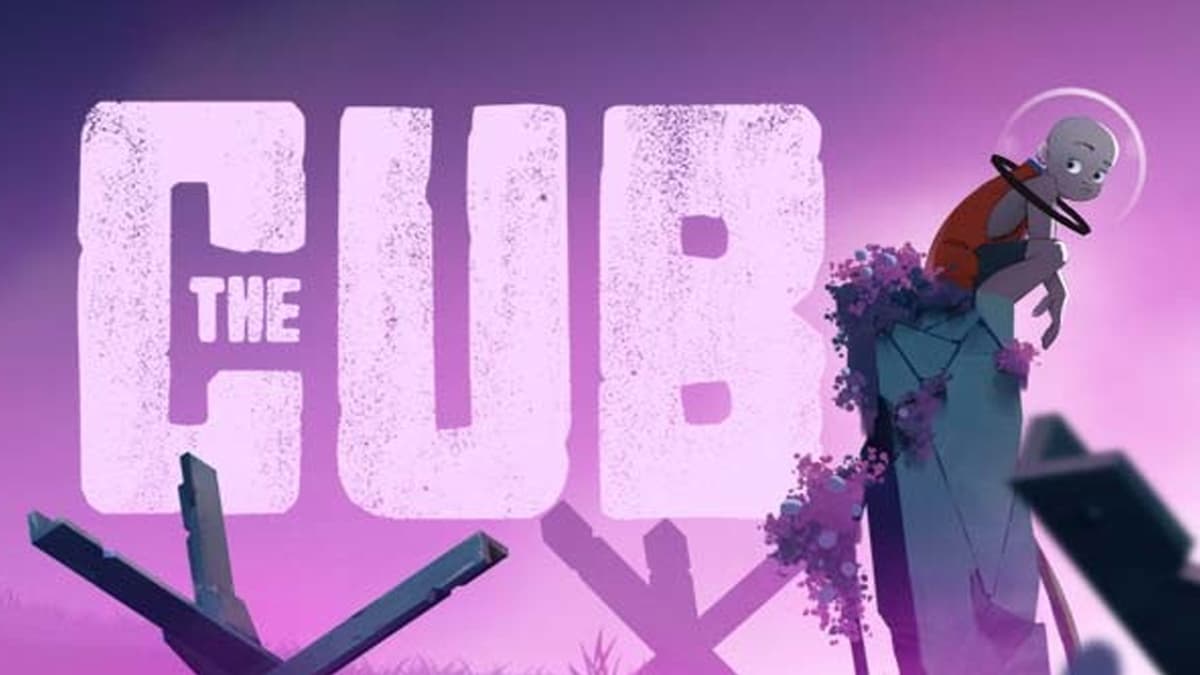
Porting The Cub to Xbox: A Success Story
One game. Two generations of Xbox hardware.
One goal: make The Cub feel like it was built for Xbox from day one.
Bringing a PC game to console is rarely about solving one big technical problem. It's about dozens of smaller ones - and making sure they all work together.
Two generations, one game
For The Cub, we worked on the port to two very different families of hardware.
Xbox Series X|S. Taking advantage of newer hardware while keeping the game responsive and consistent. More power doesn't automatically mean a better port - the game still has to behave the same way, frame after frame, on both the Series X and the more constrained Series S.
Xbox One. Making the same experience work reliably on significantly older hardware. This is where most of the hard trade-offs live: the same game, the same feel, a much smaller performance budget.
Supporting both at once is the real challenge. The goal was never separate versions of the game for each console, but one polished experience that holds up across all of them - the same controls, the same pacing, the same atmosphere that makes The Cub what it is, whichever Xbox a player happens to own.
What the port actually involved
The work spread across several areas, and each one affected the others.
- Performance and optimization. Finding the right balance between visual quality, frame rate and hardware limitations across different generations.
- Rendering and graphics. Adapting graphical settings and optimizing the game for console-specific performance targets, rather than assuming what worked on PC would translate.
- Platform integration. Connecting the game with Xbox-specific systems and functionality, so it behaves like a native part of the console rather than a PC game running on one.
- Achievements. Implementing Xbox achievements and making sure the game properly fits into the platform ecosystem.
- Testing across hardware. Because "works on my machine" doesn't mean much when your target includes multiple console generations.
None of these is dramatic on its own. Together, they're the difference between a game that technically runs on a console and one that feels right there.
It also explains why a port like this can't be treated as a final step tacked onto a finished game. Decisions about graphics settings affect performance targets, performance targets shape what can be tested, and platform features like achievements have to slot into all of it without breaking anything that already works.
There is no single definition of "compatible"
The interesting part of console porting is that "compatible" doesn't mean one thing. A game can run. But running isn't enough.
It needs to perform, respond, look right, and behave consistently across every piece of hardware you're targeting. A build that hits its frame rate on a Series X can stutter on an Xbox One. A graphics setting that looks right on one console can look wrong on another. Each combination has to be checked on real hardware, not assumed from a spec sheet.
The result
That's the challenge we took on with The Cub: from PC to Xbox One, Xbox Series S and Xbox Series X.
One game. Multiple hardware generations. One polished experience.
If you have a game you want to bring to console, get in touch and we'll walk you through what the port could look like for your title.